Everyday Mobility Wins: Make Getting Out of Bed, Bending, and Reaching Feel Easier Again
Stiff mornings and struggling to reach or bend can sap your day before it starts. You don’t have to accept those aches as part of getting older. With simple everyday mobility exercises, you can reduce stiffness and regain ease in movements like getting out of bed or reaching overhead. This post walks you through quick, gentle routines that fit easily into your day and build lasting functional strength for adults over 40. For more tips, check out this guide on mobility exercises for those over 40.
Morning Mobility Routine
Start your day with a burst of energy by incorporating a few gentle moves into your morning routine. These exercises target key areas to help you transition smoothly from bed to standing and beyond.
Bed-to-Stand Flow Basics
Begin by lying flat on your back, knees bent, and feet flat on the mattress. Slowly roll to one side and use your arms to push yourself into a seated position. This gentle action engages your core and helps warm up your spine. Next, swing your legs over the side of the bed and plant your feet firmly on the floor. Take a moment to pause and breathe deeply. This helps stabilize your body before you stand. As you rise from the bed, focus on moving slowly to avoid dizziness. Press through your heels, engage your thighs, and stand up with purpose. This motion strengthens your legs and helps improve balance. Remember, the key is to move mindfully and avoid rushing.
Morning Flexibility Boost
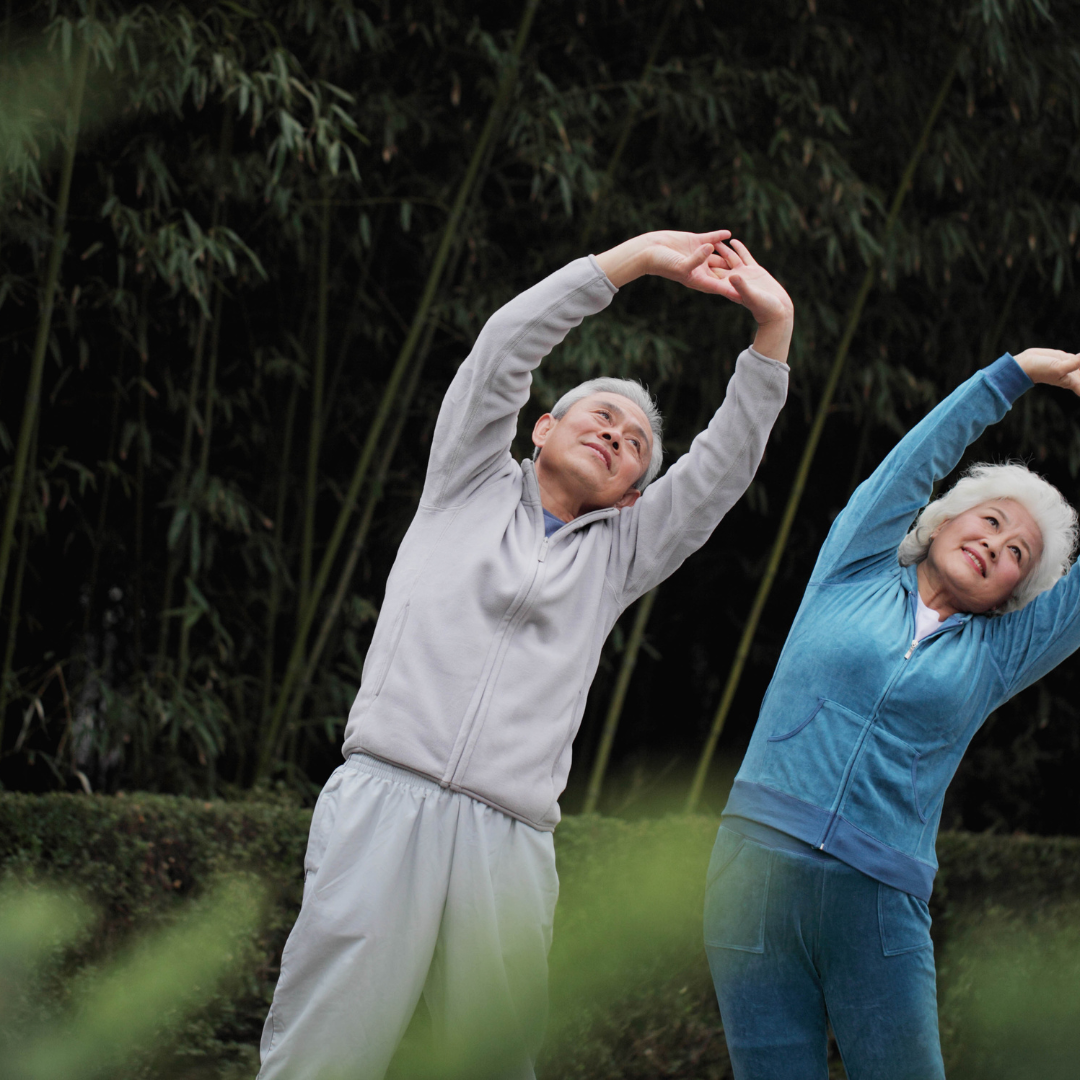
Once you’re up, it’s time to stretch and awaken your muscles. Begin with a simple overhead stretch: raise your arms high, interlock your fingers, and gently reach upwards. This move elongates your spine and improves shoulder mobility. Next, try a gentle side bend. With hands still interlocked, lean slowly to one side, hold for a moment, then switch. This action helps improve flexibility and reduces stiffness in your sides. Finally, do a few ankle rolls: lift one foot off the ground and rotate your ankle clockwise, then counterclockwise. This simple exercise promotes ankle mobility and enhances balance. By dedicating just a few minutes each morning to these exercises, you’ll notice increased ease in daily movements.
Bend and Reach Strategies
Improving how you bend and reach can transform everyday tasks. These strategies focus on enhancing your body’s natural mechanics, making movements smoother and safer.
Bend-Better Sequence Breakdown
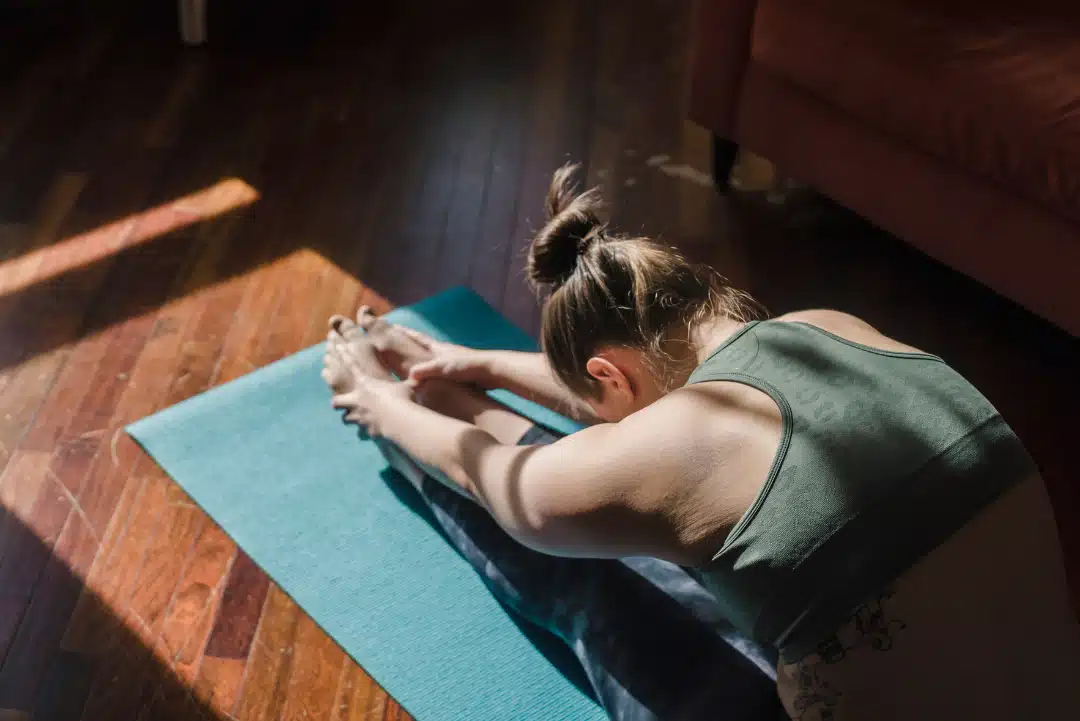
Let’s start with a proper hip hinge technique. Stand with your feet hip-width apart and knees slightly bent. As you bend forward, focus on pushing your hips back, keeping your back straight. This method protects your lower back and engages the right muscles. Next, practice picking up an object from the floor. Bend your knees slightly, hinge at the hips, and use your legs, not your back, to lift. This approach minimizes strain and maximizes efficiency. For a more advanced move, incorporate a gentle squat. Lower your body as if sitting into a chair, keeping your chest up and weight in your heels. This builds strength and stability in your legs. Remember, proper form is essential for preventing injury and improving movement quality.
Shoulder Mobility Routine Tips
Shoulder mobility is crucial for reaching overhead or behind. Begin with simple arm circles: extend your arms out to the sides and make small circles, gradually increasing their size. This warms up your shoulder joints and enhances flexibility. Next, try the cross-body stretch. Bring one arm across your body, holding it close with your opposite hand. This stretches the shoulder muscles and improves range of motion. Lastly, incorporate a wall slide. Stand with your back against a wall, arms at a 90-degree angle. Slowly slide your arms up and down the wall, keeping contact throughout. This exercise strengthens the muscles supporting your shoulder blades. Consistently practicing these tips will lead to noticeable improvements in your shoulder mobility. For more insights on maintaining mobility as you age, explore this article on mobility tips.
Building Sustainable Mobility Habits

Adopting long-term mobility habits can lead to lasting improvements in your daily life. Let’s explore how to establish and maintain these routines.
Habit-Stacking for Daily Success
Habit-stacking is a powerful tool for incorporating new routines into your day. Pair a new mobility exercise with an existing habit to make it stick. For instance, while brushing your teeth, add a calf stretch. Stand on one leg, placing the other foot against the wall, and gently lean forward. This combination strengthens your legs and improves balance. Another idea is to incorporate a neck stretch while waiting for your morning coffee to brew. Tilt your head to one side, hold, then switch. This promotes neck mobility and reduces tension. By linking new exercises to established habits, you’ll seamlessly integrate mobility work into your daily routine, making it effortless to maintain over time.
Long-Term Health and Strength Benefits
Consistent mobility exercises offer numerous benefits. Firstly, they enhance joint health by keeping them lubricated and flexible. This reduces the risk of stiffness and arthritis. Secondly, they boost strength and balance, making everyday movements easier and safer. You’ll find it simpler to climb stairs, carry groceries, or play with grandkids. Thirdly, regular practice improves posture and reduces the likelihood of back pain. A flexible spine supports better alignment, relieving pressure on discs and nerves. Lastly, mobility routines are a great way to stay active and maintain independence as you age. By dedicating just a few minutes daily to these exercises, you’re investing in a healthier, more active future. For more information on improving mobility and its benefits, read this helpful resource.
By integrating these simple strategies and exercises into your routine, you’ll enhance your mobility and quality of life. Remember, the longer you wait to start, the more you miss out on the ease and comfort that comes with improved movement. Embrace these changes today and enjoy a more active, pain-free life.