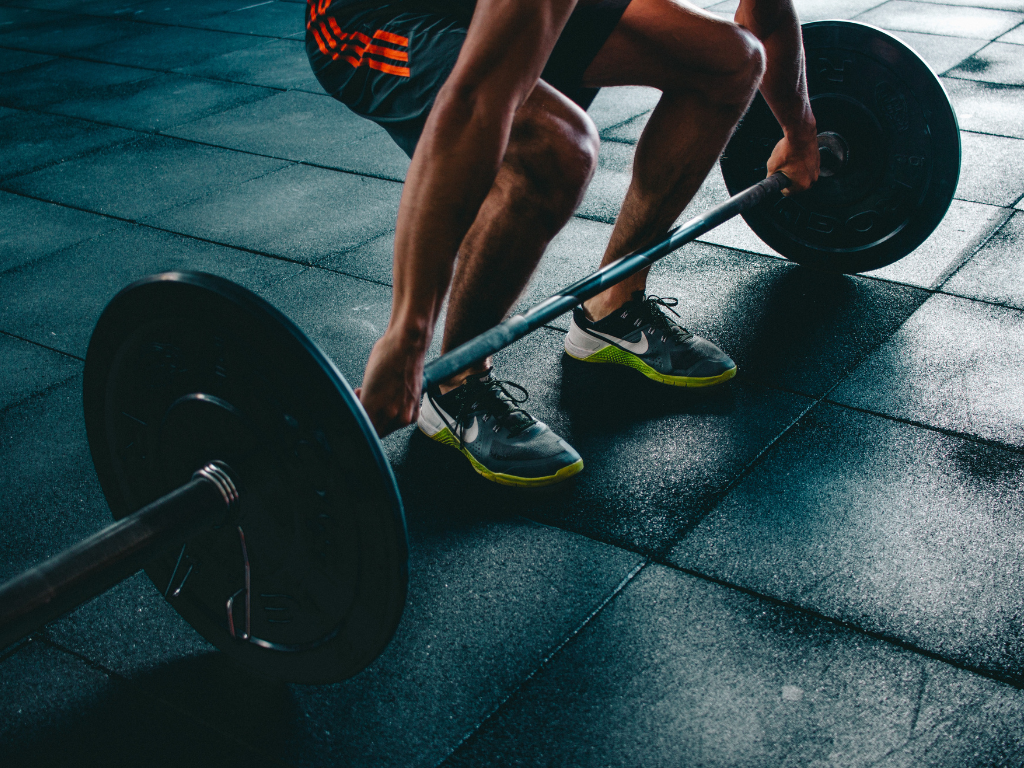
Most fitness advice after 40 pushes quick results that don’t last. You want strength, mobility, and steady energy that fit your busy life. This guide breaks down sustainable fitness after 40 with practical steps you can follow today. Start building routines that support your long-term health and keep you moving with confidence. For more insights, check out this link.
Sustainable Fitness After 40
Building Functional Strength
Functional strength is all about making daily life easier. You might find that carrying groceries or playing with your kids is less tiring with the right exercises. Begin with simple moves like squats or lunges. These exercises mimic daily activities and build practical strength. They are easy to do and require minimal equipment, perfect for home workouts.
Focus on consistency over intensity. Even short, 15-minute sessions can make a big difference. Try to incorporate exercises that strengthen multiple muscle groups. This approach not only saves time but also enhances overall strength. Remember, the goal is to improve everyday movement, not just gym performance.
Mobility Training for Adults
Mobility is the secret to staying active and preventing injuries. It keeps your joints healthy and your body ready for action. Simple stretches or yoga can work wonders. Spend a few minutes each day focusing on areas like your hips and shoulders, which often get tight.
Being mobile means you can move freely and with ease. This is especially important as you get older. Stretching is not just a warm-up; it’s a vital part of your routine. Consistent mobility work helps keep your joints flexible and your muscles relaxed.
Energy Boosting Habits
Good habits can keep your energy levels steady throughout the day. Start by getting enough sleep and staying hydrated. These basics are often overlooked but are crucial for maintaining energy and focus.
Nutrition also plays a key role. Eating balanced meals with plenty of fruits, vegetables, and protein provides the fuel your body needs. Consider small, frequent meals to keep energy up. Regular physical activity boosts energy too, even if it’s a brisk walk or a quick workout.
Active Aging Workouts
Strength and Balance Exercises
Strength and balance exercises are essential for maintaining independence. They help you stay stable and avoid falls. Practicing simple movements like standing on one leg or walking heel-to-toe can improve your balance.
Add strength exercises like leg raises or wall sits to enhance your stability. These exercises target the muscles that support your joints, making them stronger and more resilient. Consistent practice can lead to significant improvements in balance and strength.
Joint-Friendly Strength Training
Joint-friendly exercises protect your joints while building strength. Focus on low-impact activities that don’t strain your knees or hips. Exercises like swimming, cycling, or using resistance bands are excellent choices.
These activities allow you to work out without the risk of injury. They are gentle yet effective in building muscle and boosting cardiovascular health. Avoid exercises that cause pain or discomfort, and listen to your body’s signals.
Core and Stability Training
A strong core is the foundation of a healthy body. It supports your spine and improves posture. Simple exercises like planks or bridges can strengthen your core muscles.
Stability training also enhances your coordination and balance. It involves exercises that challenge your body’s ability to maintain control. This can include balancing on one leg or using a stability ball. These activities help you move more efficiently and reduce injury risk.
Habit Building for Health
Routine Reset Program
Resetting your routine can reignite your fitness journey. Start by setting small, achievable goals. This could be as simple as a daily walk or a weekly workout session.
Track your progress to stay motivated. Use a journal or an app to log your activities. Seeing your progress can inspire you to keep going. Remember, the aim is to make fitness a regular part of your life, not just a temporary fix.
Daily Movement Routine
Incorporate movement into your daily routine to improve health. This can be as easy as taking the stairs or stretching during TV breaks. Small changes add up over time.
Aim to move every hour, even if it’s just standing up or walking around the room. These micro-movements keep your body active and your mind sharp. They also boost your energy and mood throughout the day.
Nutrition for Long-Term Health
Nutrition is a cornerstone of long-term health. Focus on a balanced diet rich in whole foods. Include plenty of vegetables, lean proteins, and healthy fats.
Avoid processed foods and sugary drinks. Instead, opt for water, herbal tea, or natural juices. Nutrition not only fuels your body but also aids in recovery and boosts your immune system.
Frequently Asked Questions
What are the best exercises for building functional strength?
Squats and lunges are great for building functional strength. They mimic daily activities like sitting and standing, making them practical and effective.
How can I improve my mobility as I age?
Regular stretching and yoga can enhance mobility. Focus on areas that commonly become tight, such as the hips and shoulders.
What are some energy-boosting habits?
Ensure you get enough sleep, stay hydrated, and eat balanced meals. Regular physical activity also helps maintain steady energy levels.
How can I improve balance and prevent falls?
Incorporate balance exercises like standing on one leg or walking heel-to-toe. These exercises enhance stability and reduce the risk of falls.
What should I focus on for joint-friendly strength training?
Opt for low-impact exercises like swimming or cycling. These activities are gentle on the joints and effective for building strength.