How Busy Adults Can Build a Sustainable Fitness Routine That Sticks
Most workout plans for busy adults focus on quick results that fade fast. You want a sustainable fitness routine that fits your life and helps you build real strength, not just quick fixes. In this post, you’ll find a simple, realistic workout plan for busy adults that blends strength, mobility, and habit tools to keep you moving better and feeling stronger for years to come. Check out this guide on creating a sustainable exercise routine for more insights.
Building a Realistic Workout Routine
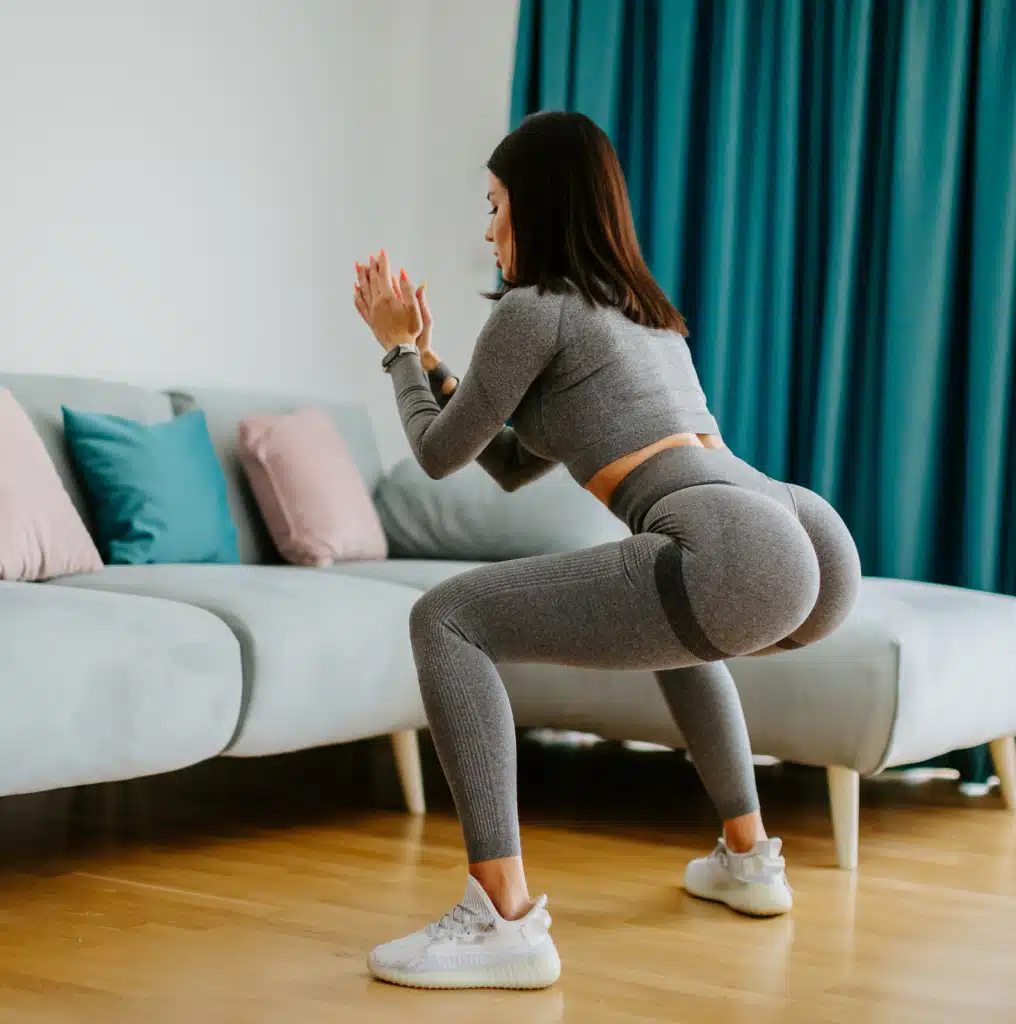
Finding time for fitness can be a challenge, especially with a busy schedule. But starting with a plan that fits into your life makes all the difference.
Short Workouts at Home
Incorporating short, effective workouts at home can be the key to consistency. You don’t need hours at the gym to see results. Just 20-30 minutes a day can transform your fitness. Focus on exercises that engage multiple muscle groups for efficiency. Think squats, lunges, and push-ups. These moves build strength without needing fancy equipment.
An example: Pick three exercises, like push-ups, squats, and planks. Do each for 30 seconds, rest for 10, and repeat the circuit four times. This format keeps your heart rate up and muscles working. The convenience of home workouts can’t be overstated. Most people think they need heavy weights, but your body weight is a tool you can use anywhere. Find more on creating a sustainable workout program.
Weekly Fitness Schedule Tips
Creating a weekly schedule helps you stay on track. Dedicate specific days to strength, cardio, and rest. For instance, strength train on Mondays and Thursdays, do cardio on Wednesdays and Saturdays, and rest on Sundays. Structure adds variety and prevents burnout.
Consistency is key. Try setting reminders or using a planner to track your workouts. Seeing your progress fuels motivation. Most people think they need to exercise daily, but rest is vital. It allows your body to recover and grow stronger. Check out this training plan for more inspiration.
Consistency Tips for Exercise
Staying consistent with exercise can be tough, but it’s all about forming habits. Start small, like scheduling 10-minute walks daily. Over time, increase the duration and intensity. Building a routine makes it easier to stick with your plan.
Another trick is to find a workout buddy. Accountability boosts motivation and makes workouts fun. Remember, fitness is a marathon, not a sprint. The longer you wait to start, the tougher it becomes. Dive into these steps to build a sustainable routine.
Components of a Sustainable Fitness Routine
Designing a fitness routine with diverse components ensures you build strength and flexibility over time. Let’s explore what makes a routine sustainable.
Strength Training Over 40
Strength training is crucial as you age. It helps maintain muscle mass and boosts metabolism. Start with bodyweight exercises if you’re new, then gradually add weights. Aim for two or three sessions a week targeting all major muscle groups.
Lifting isn’t just about building muscle; it strengthens bones and improves balance. Most people think it’s too late to start after 40, but it’s never too late to get stronger. Regular training can ease joint pain and enhance quality of life. Explore strength training tips for aging adults.
Mobility Exercises for Adults
Mobility exercises keep joints flexible and prevent injury. Incorporate stretches like hip circles and shoulder rolls in your warm-up. A few minutes daily can improve your range of motion. Mobility exercises are simple but effective. They enhance performance and make daily movements easier.
Most people overlook mobility, focusing only on strength, but both are essential. Start today and notice how moving becomes more fluid and less painful. This guide on sustainable fitness is a helpful resource.
Functional Strength at Home
Functional strength exercises mimic everyday movements, making daily tasks easier and safer. Incorporate exercises like deadlifts and step-ups to your routine. These moves enhance balance and coordination.
You don’t need a gym membership. Household items like water bottles or resistance bands can serve as weights. The goal is to make fitness accessible and practical. Most people think they need a gym, but home workouts are just as effective. Explore more on functional training.
Creating Lasting Fitness Habits
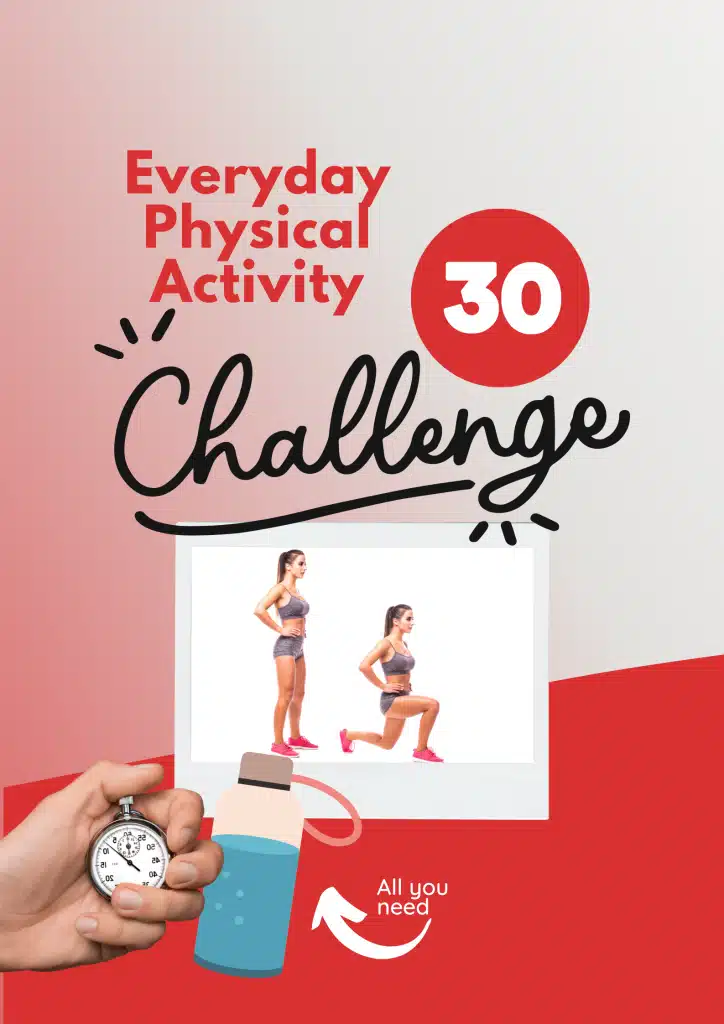
Building lasting habits involves consistency and patience. Let’s look at strategies to integrate fitness into your lifestyle.
Habit Building for Fitness
Creating habits is about repetition and reward. Set small, achievable goals and reward yourself when you hit them. For instance, if you complete five workouts in a week, treat yourself to a relaxing activity.
Use habit stacking: tie your workout to an already established habit. For example, do squats while brewing your morning coffee. Over time, these small actions become second nature. Consistency is the secret to success. Discover more about fitness habit stacking.
Longevity Fitness for Active Aging
As you age, staying active is vital for maintaining independence. Focus on low-impact activities like walking, swimming, or cycling. These exercises boost cardiovascular health without stressing joints.
Active aging means more than just physical health. It’s about feeling vibrant and connected to life. Regular movement improves mood and mental clarity. Most assume aging means slowing down, but activity prolongs vitality. This active aging guide provides valuable insights.
Beginner Strength Routine Guidance
Starting a strength routine can feel daunting, but it doesn’t have to be. Begin with simple exercises like bodyweight squats and push-ups. Focus on form and gradually increase reps and weights.
Set a realistic schedule, like two strength sessions per week. Track your progress to stay motivated. Remember, everyone starts somewhere. Most think they need to be fit to start, but starting is how you get fit. For more guidance on a beginner routine, explore this step-by-step guide.
By following these steps, you’ll build a fitness routine that not only fits your life but also supports long-term health and wellness. Keep moving, stay strong, and enjoy the journey!