Mindset That Moves You: 7 Proven Techniques to Overcome Wellness Roadblocks and Spark Lasting Motivation
Most people struggle to keep motivation alive when life gets busy or energy runs low. If you’ve felt stuck by perfectionism or all-or-nothing thinking, you’re not alone. This guide shares mindset techniques for motivation that help you overcome wellness challenges and build lasting, healthy habits. Ready to start making real progress? Let’s explore seven practical tools that can change how you approach fitness and wellness.
Techniques to Boost Motivation

Mindset Techniques for Motivation
Feeling overwhelmed by wellness goals is common, but you can shift your mindset for better results. Start by focusing on small changes that add up over time. Instead of aiming for perfection, celebrate each step forward. This approach helps keep your motivation strong. One effective tactic is using “implementation intentions.” This involves planning specific actions for when obstacles arise. For example, if morning exercise gets tough, plan to work out during lunch. This foresight makes it easier to stay on track.
Another powerful mindset tool is “identity-based habits.” Instead of saying, “I want to be fit,” say, “I am a person who stays active.” This subtle shift aligns your actions with a stronger self-image. As you embrace this mindset, you’ll notice a boost in motivation and a desire to maintain these healthy habits long-term. For more mindset techniques, explore this resource on positive thinking.
Overcome Wellness Challenges
Struggling with wellness is not uncommon, but there are ways to overcome these hurdles. One key strategy is to break big goals into smaller, manageable tasks. This not only makes them less daunting but also provides frequent opportunities to celebrate progress. Additionally, using “habit stacking” can be beneficial. This involves linking a new habit to an existing one. For example, after brushing your teeth, do a short stretch routine. This makes new habits easier to remember and integrate into daily life.
Social support plays a crucial role too. Sharing your goals with a friend or joining an online community can provide the accountability you need. When you encounter setbacks, remember that they’re part of the journey. Most people think failure is a stop sign, but it’s really a stepping stone. Embrace setbacks as learning opportunities to refine your approach. For more strategies, visit this emotional wellness toolkit.
Build Healthy Habits
Creating lasting healthy habits requires consistency and patience. Begin by setting realistic goals that fit your lifestyle. Instead of drastic changes, opt for small, sustainable adjustments. This approach reduces the risk of burnout and increases the likelihood of success. Practice “habit tracking” to monitor your progress. Seeing your accomplishments can provide a motivational boost.
Another way to build habits is by focusing on “behavior change coaching.” Identify what triggers unhealthy behaviors and replace them with positive actions. For instance, if stress leads you to snack mindlessly, find a healthier coping mechanism like a quick walk. Keep in mind, the longer you wait to change, the harder it becomes—so start today. Check out these tips to boost mental health for more insights.
Strategies for Sustainable Fitness

Energy Boosting Habits
Energy is vital for sustaining any fitness routine. To increase it, focus on simple habits like staying hydrated and getting enough sleep. These form the foundation for physical and mental well-being. Nutrition also plays a key role. Incorporate foods rich in vitamins and minerals, which can provide the energy your body needs. Try to eat balanced meals that include fruits, vegetables, and lean proteins.
Regular physical activity is another energy booster. You don’t need to spend hours in the gym. Short, consistent workouts can be just as effective. Most people believe only intense sessions count, but even a 15-minute walk can improve energy levels. For more energy-boosting strategies, check out these mental health enhancement tips.
Consistency Over Perfection
Many fall into the trap of seeking perfection in their fitness journey, but consistency is the real key to progress. Start by committing to regular, manageable workouts. It’s better to exercise for 10 minutes daily than to aim for an hour-long session that rarely happens. This practice builds a routine and fosters commitment.
Celebrate small wins to maintain motivation. Whether it’s lifting heavier weights or walking a longer distance, acknowledging progress keeps you engaged. Remember, it’s about improvement, not perfection. If you miss a workout, don’t stress. Focus on getting back on track the next day. Consistency helps build the momentum needed for lasting change.
Routine Building Strategies
Building a routine is essential for sustainable fitness. Begin by scheduling workouts like appointments—something you wouldn’t cancel easily. This mindset helps prioritize fitness amid busy schedules. Identify the best times for exercise based on your energy levels and daily commitments.
Incorporate variety to keep things interesting. Mix different types of exercises like cardio, strength training, and yoga. This not only prevents boredom but also works different muscle groups. Finally, track your progress to stay motivated and adjust your routine as needed. Remember, routines evolve, and staying flexible is part of the journey.
Functional Strength and Mobility
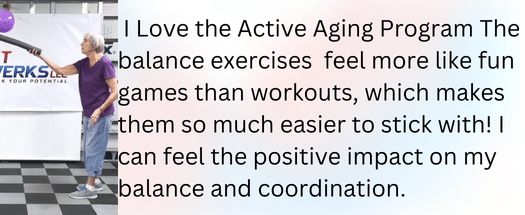
Active Aging Fitness
Staying active as you age is crucial for maintaining mobility and independence. Focus on exercises that improve balance, flexibility, and strength. Simple movements like walking, stretching, and bodyweight exercises are highly effective. They help prevent falls and enhance daily functioning.
Incorporate activities that you enjoy. Whether it’s dancing, gardening, or swimming, find something that makes you smile. This ensures you look forward to staying active. Most people think aging limits activity, but it’s actually the perfect time to embrace it. Active aging keeps you engaged, healthy, and vibrant.
Mobility Training at Home
Improving mobility doesn’t require a gym. Many effective exercises can be done right at home. Start with simple stretches targeting key areas like hips, shoulders, and back. These areas often get tight and can limit movement. Use resistance bands or light weights to add variety to your routine.
Consistency and patience are key. Dedicate time daily to these exercises to see improvement. Mobility is about enhancing how your body moves, making everyday tasks easier. As you practice, you’ll notice increased flexibility and less discomfort. This empowerment brings confidence in your physical abilities.
Over 40 Fitness Tips
Fitness over 40 focuses on maintaining strength, flexibility, and cardiovascular health. Start with low-impact exercises like walking, cycling, or swimming. These are gentle on joints yet effective for overall fitness. Incorporate strength training to build muscle and support bone health.
Focus on balance exercises to reduce injury risk. Simple practices like standing on one leg or yoga can significantly enhance balance. Nutrition and hydration are equally important. Ensure you’re fueling your body with nutrients it needs to perform well. With these tips, you’ll find yourself feeling energetic and capable at any age.
🌟💪🏋️♀️