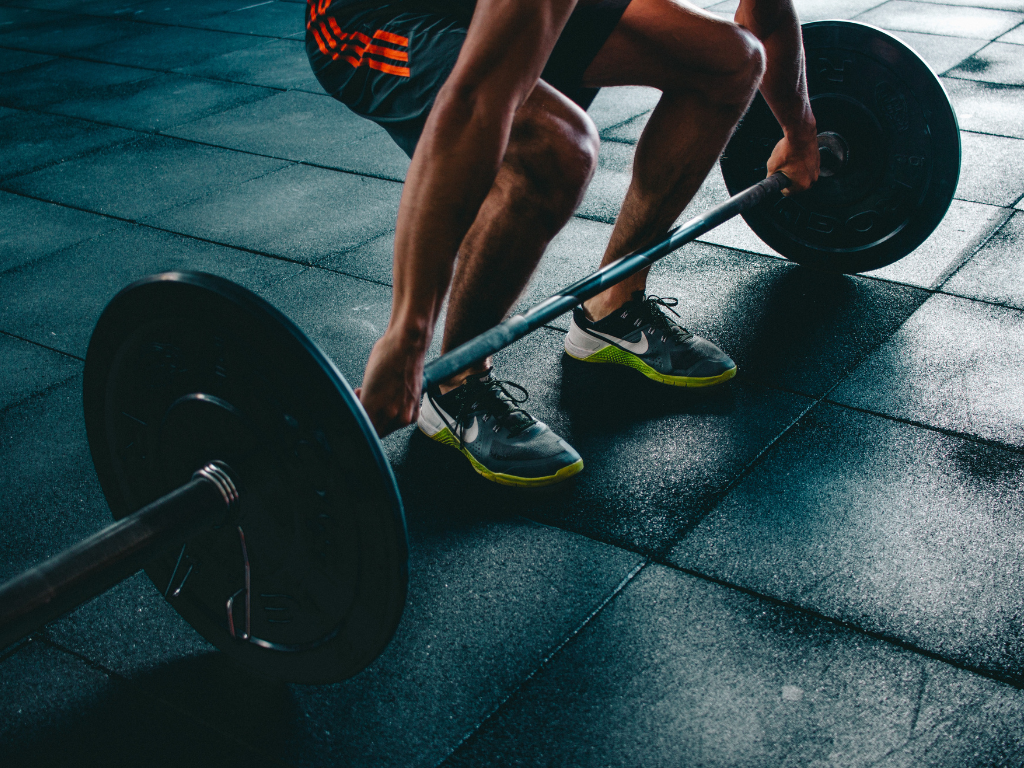
Strength training after 40 doesn’t have to feel overwhelming or time-consuming. Many adults struggle to find a routine that fits busy lives while supporting strength, mobility, and long-term health. This guide lays out a simple, joint-friendly plan you can stick with for life—no guesswork, just steady progress. Ready to build a functional fitness routine that moves with you, not against you? Explore more here.
Building a Sustainable Fitness Routine
Strength Training After 40
As you navigate life after 40, it’s important to find a workout plan that suits your lifestyle. Strength training can be the key to maintaining both physical health and independence. You don’t need to spend hours in a gym; incorporating simple exercises targeting major muscle groups can be effective.
Start with activities like squats and push-ups, which mimic daily movements and build essential strength. These exercises not only work multiple muscles but also improve balance and coordination. Remember to keep the intensity moderate. It’s the consistency that matters more than intensity. If you’re unsure where to start, resources like Strength Training After 40 can offer guidance.
Mobility Exercises for Adults
Staying mobile is crucial as we age. Mobility exercises help maintain joint health, reduce stiffness, and prevent injuries. Think of mobility as your body’s ability to move freely without pain or restriction.
Incorporate stretches that focus on major joints like hips, shoulders, and knees. Try exercises such as hip circles or arm circles to keep them flexible. Regular stretching can increase your range of motion and make everyday activities easier. For more detailed advice, you might find improving mobility in old age helpful.
Daily Mobility Routine
To make mobility exercises a habit, integrate them into your daily routine. It doesn’t need to take more than 10 minutes a day. Start each morning or wind down each night with a few simple stretches.
Include movements like neck stretches, shoulder rolls, and ankle circles. These can be done while watching TV or even during breaks at work. The goal is to keep your body moving regularly to maintain flexibility and prevent stiffness from setting in.
Core Components of Functional Fitness
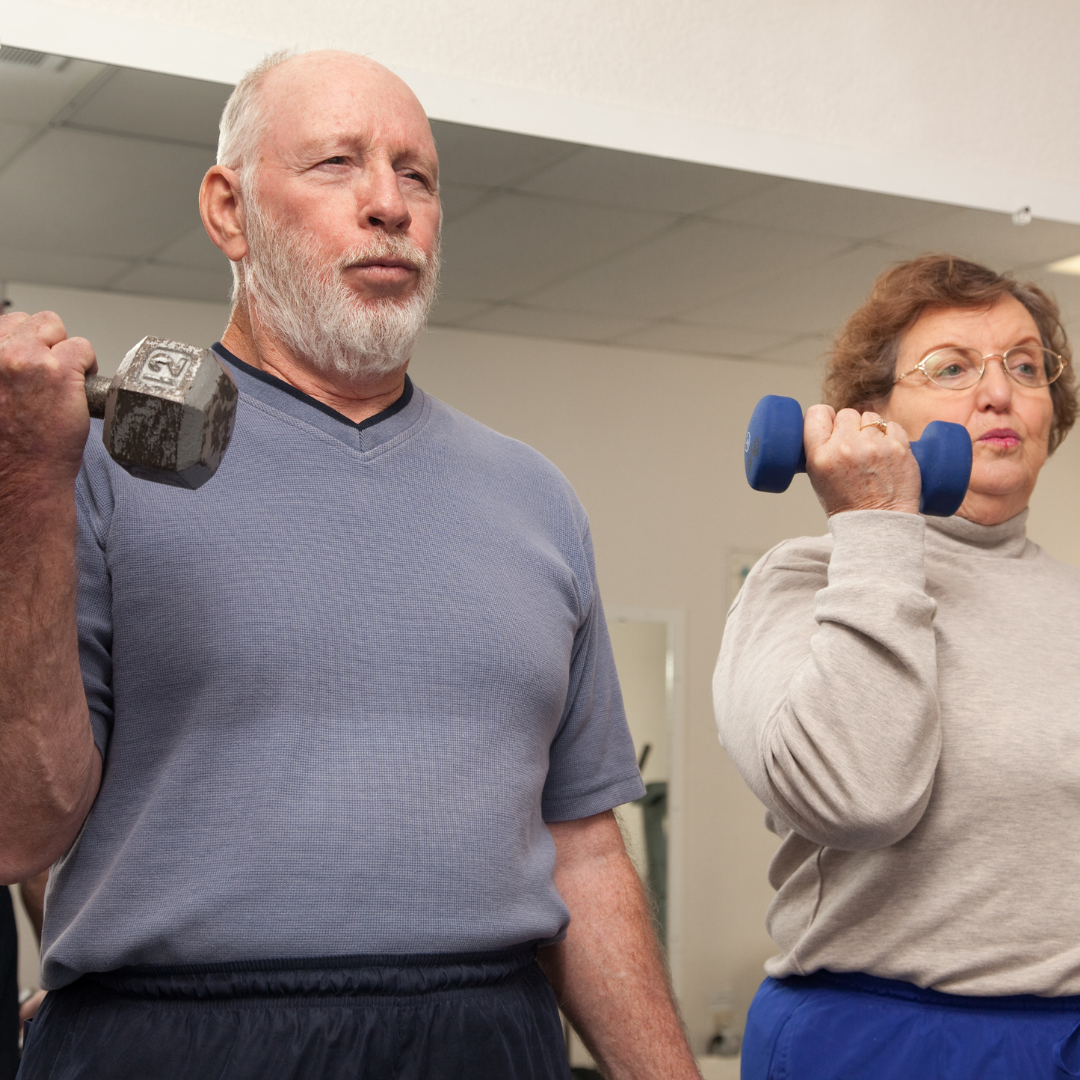
Joint-Friendly Strength Training
Functional fitness focuses on exercises that improve daily life activities. It’s about building strength without straining your joints. Choose exercises that are gentle on your body but effective in building strength.
Use resistance bands or body weight exercises that support joint health. Focus on slow, controlled movements to maintain form and prevent injury. The best workouts to stay strong after 40 can provide additional insights into maintaining strength with age.
Balance and Stability Training
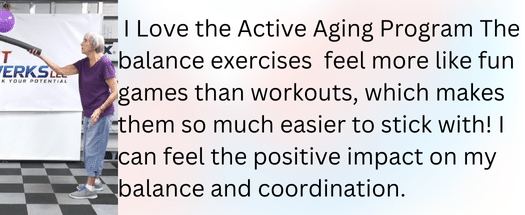
Balance and stability are key to preventing falls and maintaining confidence in movement. Simple exercises like standing on one leg or walking heel-to-toe can enhance stability.
Incorporating balance exercises into your routine can be as easy as practicing while brushing your teeth. These exercises train your brain and muscles to work together, improving coordination. With consistent practice, your stability will improve, reducing the risk of falls.
Core Strength for Longevity
A strong core supports good posture and reduces back pain. It forms the foundation of your strength. Incorporate exercises like planks or seated leg lifts into your routine.
These exercises engage your core muscles, helping maintain posture and stability. As you strengthen your core, you’ll notice improvements in how you perform daily tasks, from lifting groceries to standing up from a chair.
Embracing Long-Term Health Habits
Consistency Over Intensity
When it comes to long-term fitness, consistency is more important than intensity. Aim to exercise regularly rather than pushing yourself too hard in a single session.
Create a schedule that fits your lifestyle and stick with it. Whether it’s a 20-minute walk or a light workout, the key is to make it a regular habit. Over time, these small efforts add up to significant health benefits.
Walking for Longevity
Walking is an underrated exercise that offers many benefits. It’s easy on the joints, requires no special equipment, and can be done almost anywhere.
Try to include a daily walk in your routine. Even a short 10-minute walk can boost your mood and improve cardiovascular health. It’s a simple way to enhance longevity and maintain functional fitness.
Recovery and Sleep for Fitness
Recovery is just as important as exercise. Adequate sleep and rest allow your body to repair and grow stronger. Aim to get enough sleep each night to support your fitness goals.
Listen to your body. If you feel fatigued, take a break and allow yourself to recover. By prioritizing recovery, you’ll be able to maintain a consistent fitness routine and enjoy the benefits of an active lifestyle.
🌟🏋️♂️💪
Frequently Asked Questions
Why is strength training important after 40?
Strength training after 40 helps maintain muscle mass, supports joint health, and improves daily functional movements. It can increase independence and quality of life as you age.
What are some joint-friendly exercises for older adults?
Exercises like resistance band workouts, bodyweight squats, and seated leg lifts are gentle on the joints and effective for building strength.
How can I improve my balance and stability?
Incorporate simple exercises such as standing on one leg, walking heel-to-toe, or using balance boards to enhance stability and prevent falls.
Why is consistency more important than intensity in fitness?
Consistency ensures you maintain a regular fitness routine, leading to long-term health benefits. It prevents injury and burnout that can come from overly intense workouts.
How does walking contribute to longevity?
Walking is a low-impact activity that improves cardiovascular health, boosts mood, and supports joint function, contributing to a longer, healthier life.