Eat for Steady Energy: Simple Nutrition Strategies to Support Hormone Balance All Day
Most energy crashes come from one thing: unstable blood sugar. When your hormones swing out of balance, it’s hard to keep steady energy from morning to night. The good news? Simple hormone balance nutrition can help you feel more alert, focused, and ready for your day. Let’s break down smart nutrition habits that support your hormones and keep your energy steady, so you can move through your day with strength and ease. For more information on hormone balancing diets, check out this resource.
Nutrition Strategies for Hormone Balance

Maintaining hormone balance is key to having steady energy. Let’s explore some nutrition habits to support this balance.
Balanced Plate Method Basics
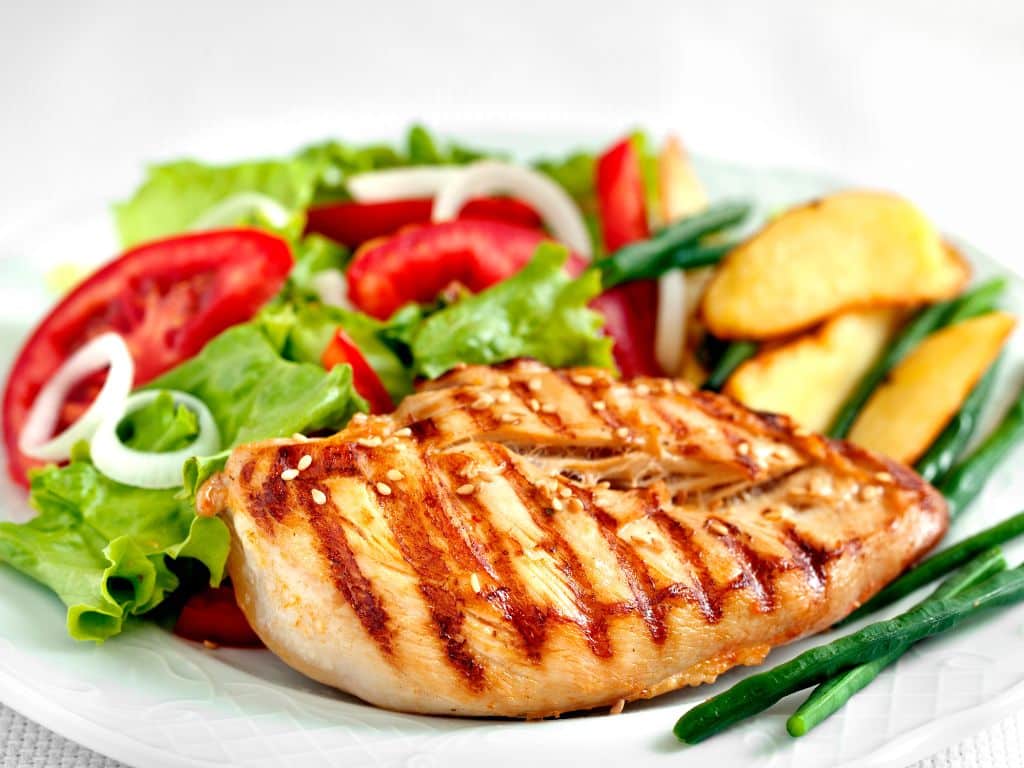
The Balanced Plate Method is a simple way to get your nutrients right. Imagine your plate: half should be veggies, a quarter protein, and the last quarter grains. This mix helps keep your blood sugar stable. For example, pair grilled chicken with brown rice and a colorful salad. By doing this, you help your body manage insulin levels better, which supports energy throughout the day.
A balanced plate doesn’t just look good; it feels good too. When your meals are well-rounded, you might notice fewer energy crashes. Consider this: most people think skipping carbs helps keep energy up, but your body needs them to function well. Choose whole grains for a steady release of energy.
Protein Timing for Energy
Timing your protein intake can make a big difference in energy levels. Eating protein in the morning helps you feel full and focused. Think about starting your day with eggs or yogurt. Protein stabilizes blood sugar, so you avoid those mid-morning slumps.
Later in the day, a protein-rich snack can keep energy levels steady. Nuts or a protein shake can be great choices. This isn’t just about building muscles; it’s about maintaining energy. If you usually feel sleepy after lunch, try adding some protein to your meal.
Fiber-Rich Foods for Digestion
Fiber is your friend when it comes to digestion and energy. Foods like beans, oats, and fruits not only fill you up but help manage blood sugar levels. Fiber slows down digestion, meaning energy release is steady and long-lasting.
Eating a fiber-rich breakfast can set a positive tone for the day. Most people think fiber is just for digestion, but it also plays a key role in energy management. Starting your day with oatmeal or a smoothie with berries can help you feel energized longer.
Optimizing Meal Timing

Proper meal timing fuels your body throughout the day. Discover ways to tweak your meal schedule for steady energy.
Low Glycemic Eating Tips
Choosing foods with a low glycemic index helps keep blood sugar levels steady. Foods like lentils and sweet potatoes break down slower, providing a steady energy boost. It’s all about picking the right carbs. For more tips on low glycemic eating, check out this guide.
Start by swapping white bread for whole grain. This small change can prevent the spikes and crashes that zap your energy. When you eat low glycemic foods, you give your body a chance to maintain energy more efficiently.
Cortisol and Caffeine Timing
Caffeine can be a friend or foe, depending on timing. Having coffee too early can clash with your body’s natural cortisol rhythms, leading to energy dips later. Aim to have your first cup mid-morning, when cortisol levels naturally dip.
Balancing caffeine intake with your body’s rhythms ensures that you get a boost without the crash. And remember, while caffeine can kickstart your day, it’s not a substitute for energy-sustaining foods. If you’re curious about cortisol and caffeine, this article offers more insights.
Insulin Sensitivity and Snacks
Smart snacking can boost insulin sensitivity, which is crucial for maintaining energy. Opt for snacks that combine protein and fiber, like apple slices with almond butter. This combo helps your body manage insulin better.
Think of snacks as an energy tool. By choosing the right ones, you can avoid afternoon slumps. Most people think snacks are just fillers, but they can be powerful energy boosters when chosen wisely.
Supporting Hormone Health
Supporting hormone health goes beyond what you eat; it’s about how you fuel your entire system.
Healthy Fats and Hormones
Healthy fats play a crucial role in hormone production. Foods like avocados, nuts, and olive oil should be part of your diet. These fats help build and maintain hormone levels, which is key for energy balance.
Incorporating these fats doesn’t have to be complicated. A drizzle of olive oil on your salad or a handful of almonds can make a difference. By including healthy fats, you support hormone health and sustain energy. For more on hormone health, check this out.
Omega-3 Benefits for Wellness
Omega-3 fatty acids are known for their wellness benefits, particularly for hormones. Found in fish like salmon, these fats support overall health. They reduce inflammation and aid in hormone balance, which translates to better energy levels.
Most people overlook omega-3s, but they are essential. If fish isn’t your thing, consider flaxseeds or walnuts. Adding these to your diet can support hormone health significantly.
Gut Health and Hormone Connection 🍎
Your gut plays a big role in hormone health. Foods rich in probiotics, like yogurt, support a healthy gut and, in turn, balanced hormones. A happy gut can mean steady energy.
Most think of gut health as just digestion, but it’s deeply linked to hormone balance. Making small changes, like adding fermented foods, can have a big impact. Interested in learning more about this connection? Read further.
By embracing these nutrition strategies, you can enjoy steady energy and better hormone balance. Remember, small steps lead to big changes. Embrace these habits and watch your energy improve!